

The art of fermenting natural ingredients: A timeless culinary revolution
Fermentation transforms simple ingredients into nutrient-rich powerhouses while preserving food naturally. According to the Global Fermented Foods Market Report 2024, the industry reached $1.8 trillion, driven by growing health consciousness. From tangy sauerkraut to probiotic-packed kimchi, these ancient techniques boost digestive health and create complex flavors. Ready to discover how this timeless practice can revolutionize your kitchen? Explore comprehensive guides and resources at platform https://upskeals.com/ to master the art of natural fermentation.
Creating the perfect environment for successful fermentation
Success in natural fermentation starts with proper preparation of your workspace and equipment. You don't need expensive gear to begin your fermentation journey—a few basic kitchen items will suffice perfectly.
Start by selecting a clean, quiet corner of your kitchen away from direct sunlight and heat sources. Temperature consistency matters more than perfection; most vegetables ferment beautifully between 65-75°F. A basement, pantry, or even a kitchen cabinet often provides ideal conditions.
Your essential equipment includes glass jars with tight-fitting lids, a wooden spoon for stirring, and clean kitchen towels for covering your ferments. Avoid metal containers, as the acidic environment can cause unwanted reactions. Glass allows you to monitor your fermentation progress visually.
Natural sterilization requires only boiling water and proper cleaning techniques. Rinse all equipment with hot water, then air dry completely before use. This simple approach eliminates harmful bacteria while preserving beneficial microorganisms naturally present in your vegetables.
Monitor your ferments daily by checking for bubbling activity and pleasant tangy aromas. Trust your senses—healthy fermentation produces appealing scents and visible activity within the first few days.
Safety guidelines for fermenting without chemical additives
Natural fermentation requires impeccable hygiene to ensure the safety of your preparations. Always start by sterilizing your containers with boiling water and maintain a clean working environment. Wash your hands thoroughly and use perfectly clean utensils to avoid introducing pathogenic bacteria into your fermentation.
Learn to recognize the signs of contamination that require you to discard your preparation. A putrid odor, colored mold (green, black, pink), or an abnormal slimy texture indicate a problem. On the other hand, a white film on the surface, called kahm yeast, is generally harmless but can alter the taste.
To naturally prevent contamination, maintain an appropriate salt content in your lacto-fermented vegetables (2 to 3% of weight) and ensure that the food remains submerged in the brine. Temperature plays a crucial role: ferment between 64 and 72°F to promote good bacteria.
Once finished, store your fermented foods in the refrigerator in airtight containers. Cold storage significantly slows down fermentation and preserves the nutritional quality of your homemade creations.
Your fermentation questions answered
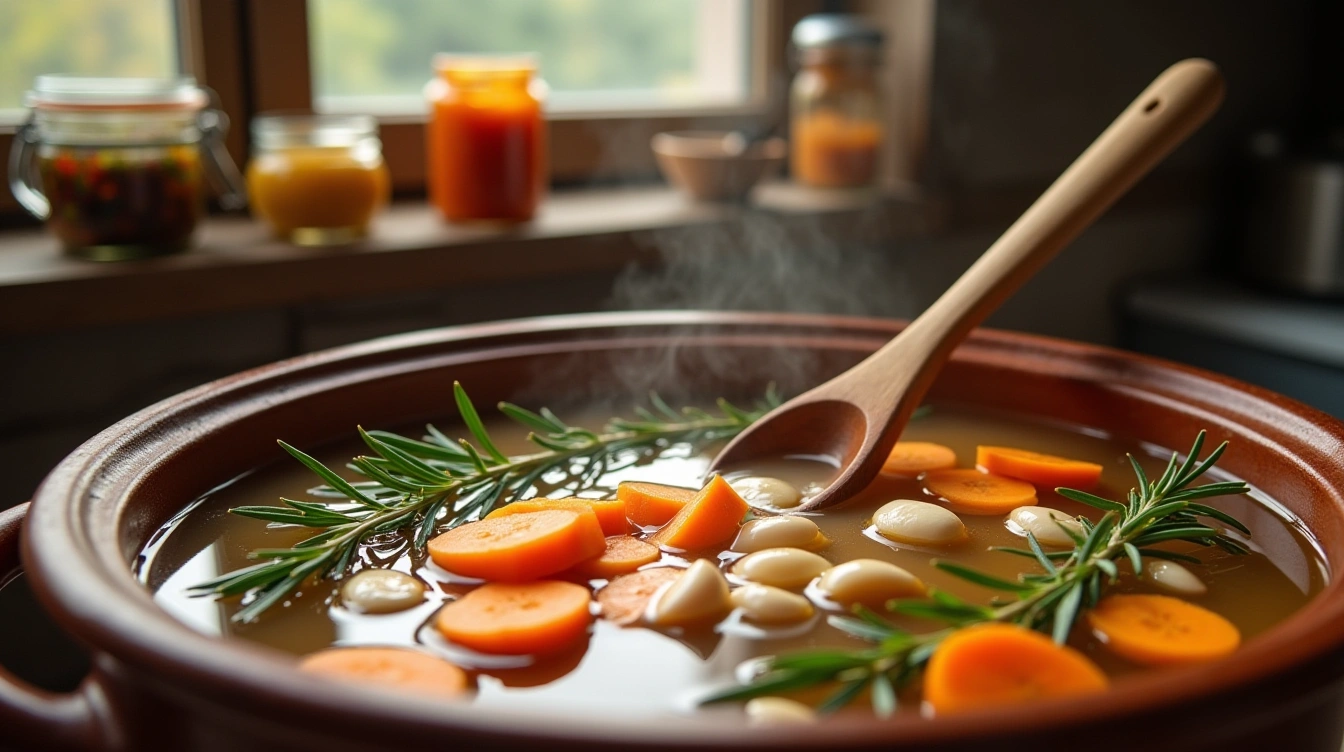
Artisanal fermentation raises many questions for beginners. Discover the answers to the most frequently asked questions to master this ancient art with confidence.
What are the best natural ingredients to start fermenting at home?
Start with vegetables rich in natural sugars such as cabbage, carrots, and radishes. These ingredients ferment easily and offer excellent results for beginners.
How long does it take to ferment vegetables naturally?
Complete lacto-fermentation generally takes 3 to 7 days at room temperature. Harder vegetables such as cabbage sometimes take up to 2 weeks to develop their optimal flavor.
What equipment do I need for natural fermentation?
A glass jar, unrefined salt, and a weight to keep the vegetables submerged are all you need. Avoid metal containers, which can interfere with the natural fermentation process.
Is natural fermentation safe without additives?
Natural fermentation is perfectly safe thanks to acidification, which eliminates pathogenic bacteria. Salt creates an environment conducive to good bacteria while preserving food safety.
What are the health benefits of eating naturally fermented foods?
Fermented foods improve digestion, strengthen the immune system, and provide essential probiotics. They also promote nutrient absorption and support intestinal health.